
Since its release in 2011, Dark Souls has become synonymous with difficulty and challenge. The series is legendary for its unforgiving world, relentless enemies, and minimal hand-holding. But while many players initially see Dark Souls as “just a hard game,” its refusal to let players win easily isn’t random—it’s intentional, deeply philosophical, and central to the experience.
So why does Dark Souls make victory so hard to achieve? The answer lies in its design philosophy, narrative structure, and the emotional journey it invites players to take.
Designing Challenge as the Core Experience
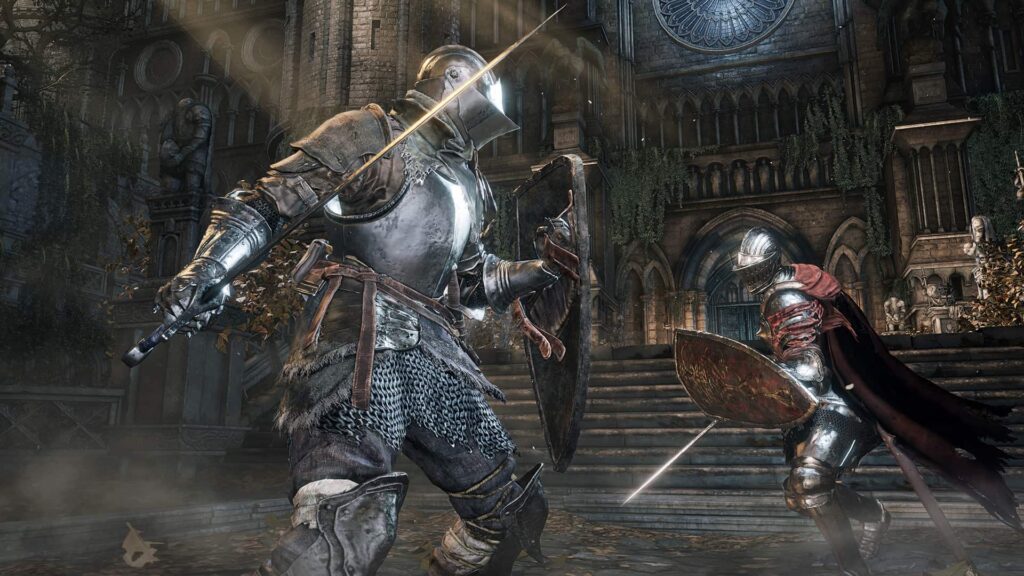
FromSoftware, the developer behind Dark Souls, purposefully designed the game to resist player domination. Difficulty isn’t a byproduct of poor design—it’s the design. Every enemy placement, weapon encounter, and environmental hazard is thoughtfully constructed to provoke thought and demand adaptation.
Unlike games where success feels immediate, Dark Souls requires players to understand the world before mastering it. The combat isn’t about memorizing a simple button combo—it’s about timing, spacing, stamina management, prediction, and situational awareness. This depth ensures that every victory feels earned, not given.
Learning Through Failure
In many modern games, failures are cushioned: checkpoints are frequent, tutorials explain every mechanic, and progress rarely feels threatened. Dark Souls rejects this design paradigm. Here, failure is not a setback—it is a teacher.
Each time “You Died” appears on screen, the game forces players to reevaluate:
- Was it poor positioning?
- Did I misread an enemy’s attack?
- Did I rush instead of observing?
By refusing to prevent failure, Dark Souls fosters resilience, adaptability, and critical thinking. Players don’t just fight enemies—they learn patterns and systems, internalizing knowledge that later becomes intuition.
A World That Doesn’t Forgive Ignorance
Dark Souls is not a game that waits for players to understand its mechanics. It expects that players will figure things out through observation, exploration, and repetition. There are no quest markers, no step-by-step tutorials, and very few narrative explanations.
This lack of spoon-feeding forces players to pay attention to their surroundings. Hidden pathways, cryptic item descriptions, and environmental storytelling provide clues. The world teaches, but only if players are willing to learn.
This approach makes winning harder—but it also makes understanding more meaningful.
Enemy Design and Combat Depth
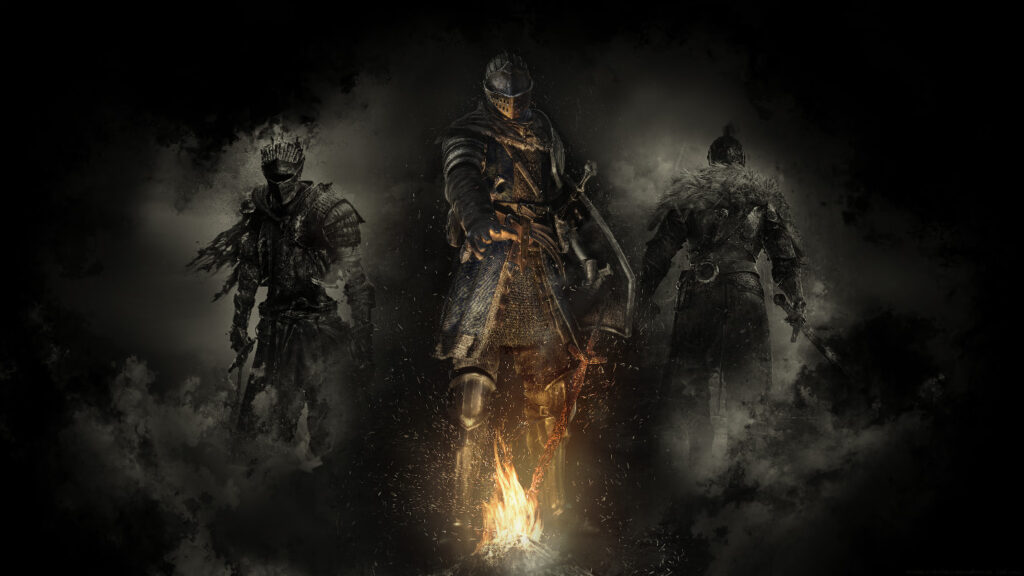
Every enemy in Dark Souls feels like an extension of the game’s philosophy: deliberate, precise, and punishing. Unlike enemies in other games that telegraph attacks clearly, Dark Souls foes often have unpredictable patterns or subtle tells.
Bosses, especially, are designed to be “lethal puzzles” rather than bullet sponges. Victory requires observation, adaptation, and strategy. This design challenges players not because it is unfair, but because it demands engagement.
Each boss fight tests:
- Stamina management
- Attack prediction
- Positional awareness
- Patience under pressure
Ultimately, Dark Souls doesn’t let players win easily because every victory must be a reflection of player growth, not chance.
Emotional Investment Through Difficulty
Winning in Dark Souls feels different from winning in other games. In many titles, success is immediate and often fleeting. In Dark Souls, success is emotional, earned, and memorable.
Players experience:
- The relief of survival
- The satisfaction of mastery
- The pride of persistence
Difficulty creates an emotional narrative. Players remember how they won—not just that they won.
Community and Shared Struggle
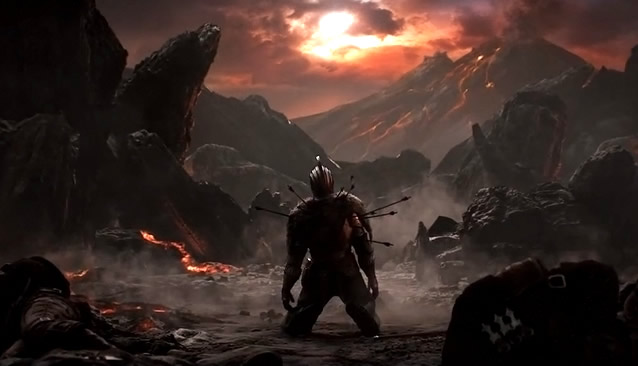
The difficulty of Dark Souls also extends its impact beyond the single-player experience. Players discuss strategies, share boss tips, and celebrate victories together. This shared struggle transforms individual challenge into a community bond.
When a game is hard, players seek support from others. The communal aspect of overcoming Dark Souls challenges deepens the emotional resonance of success.
Why Dark Souls Doesn’t Let You Win Easily
In summary, Dark Souls refuses to let players win easily because:
- Difficulty drives emotional payoff
- Failure is the primary mechanic for learning
- The world rewards attention and understanding
- Combat demands both skill and thought
- Victory is intended to feel earned and personal
This philosophy sets Dark Souls apart. It doesn’t build walls around players—it builds walls with players, shaping every triumph into something unforgettable.
👉 If Dark Souls has challenged you and inspired a deeper appreciation for meaningful victories, explore a wide range of Dark Souls–inspired gifts, collectibles, and apparel at: darksoulsgifts.com. Celebrate your hard-earned triumphs with exclusive items that honor the spirit of resilience and perseverance in one of gaming’s most legendary worlds.
